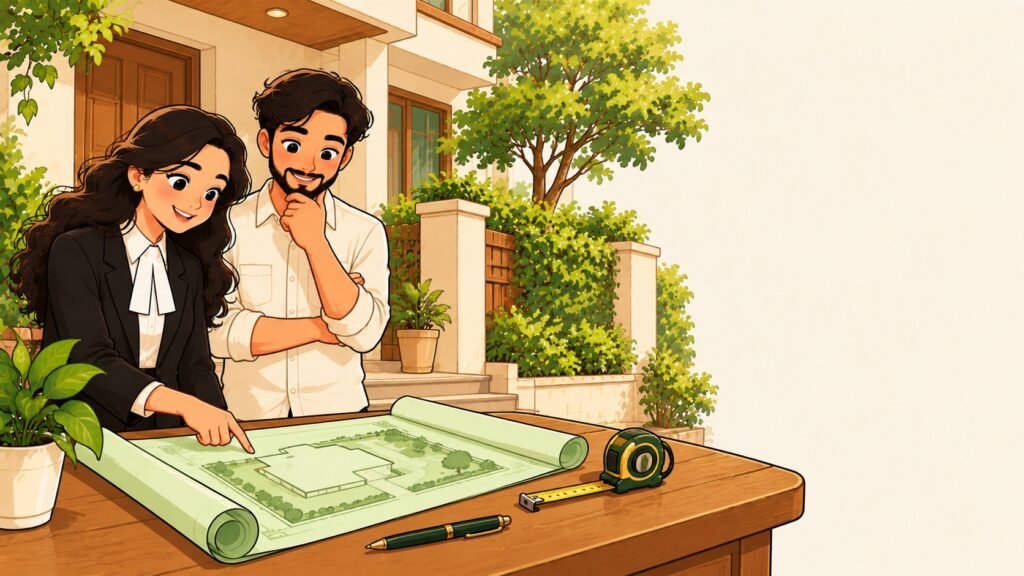
Encroachment or illegal possession — whether of a flat, a shop, a plot or a portion of shared premises — is one of the more common property disputes in Mumbai, and the correct response depends heavily on the facts and on what documents exist.
What counts as encroachment
Broadly, any occupation of a property, or part of it, by a person without title or lawful permission to be there — this can include a tenant who has overstayed, a neighbour who has extended into shared or adjoining space, or occupation following a family dispute.
Steps generally available
- Collecting and organising title documents, and any evidence of possession
- A legal notice calling upon the occupant to vacate or regularise the occupation
- A police complaint, where the facts disclose a criminal element such as trespass
- A civil suit for possession and, where urgent, an application for injunction
Why documents matter
A civil court’s approach to possession and title questions turns heavily on documentary evidence — the original documents, tax receipts, society records and any earlier correspondence are usually the starting point of any consultation.
See also legal notice drafting and civil and property matters.
Where to start when property is encroached
- Collect the title documents, property card or 7/12 extract and tax receipts.
- Take dated photographs and, if possible, a measurement or survey report.
- Send a written notice stating the facts and asking for the encroachment to be removed.
- Choose the remedy: a civil suit for possession and injunction, a suit under Section 6 of the Specific Relief Act, 1963 within six months of dispossession, or a police complaint where an offence such as trespass is made out.
For further reading see What to do if someone has encroached on your property.
Related guides
- Encroachment in Mumbai: footpaths, society open spaces and your own property
- Registering a Sale Deed in Maharashtra: Stamp Duty, Registration and Time Limits
Consultations are by appointment. To fix a time, telephone +91 99301 50560 or send a message on WhatsApp.
This page describes general procedure and does not constitute legal advice. What applies to a particular matter depends on its own facts.
This page describes general procedure and is published for information only, in keeping with Rule 36 of the Bar Council of India Rules. It is not legal advice and does not solicit work. What applies to a particular matter depends on its own facts.